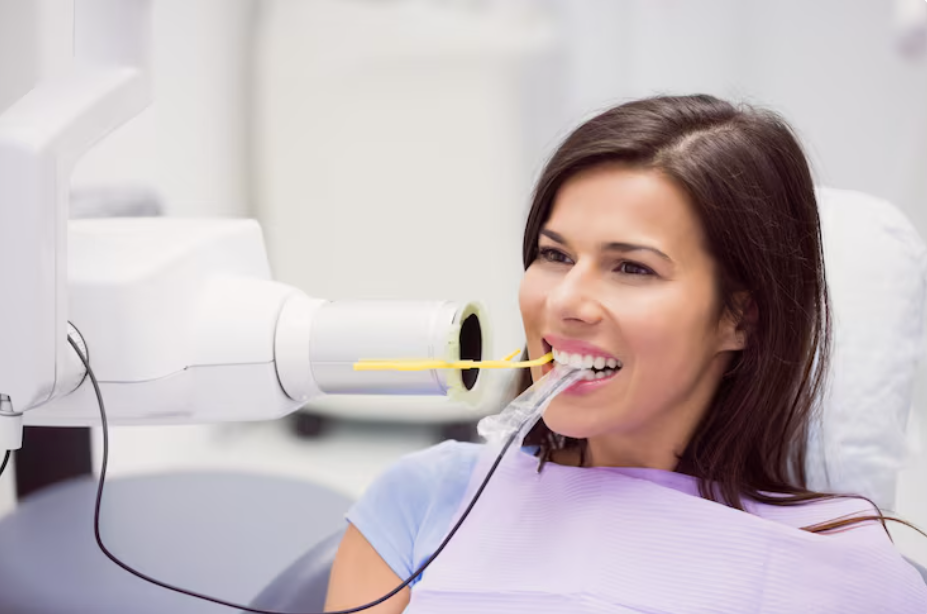
In recent years, cosmetic dental treatments have become increasingly popular as more people look to improve their smiles and boost confidence. Among the available options, composite bonding stands out for its flexibility and quick results. This trend clearly shows how modern smile enhancement is now made simple with composite bonding, giving patients an easy and effective way to refresh their appearance.
Why Patients Are Choosing This Treatment
Several factors contribute to the increasing interest in composite bonding. One of the most important reasons is convenience. Many individuals prefer procedures that fit into busy schedules without requiring multiple visits. This technique is often completed in a single appointment, making it appealing to working professionals, students, and parents.
Another reason behind its popularity is its conservative nature. Unlike certain cosmetic solutions that involve extensive reshaping of natural teeth, this method requires minimal preparation. Preserving healthy tooth structure is a priority for both dentists and patients, which strengthens its appeal.
Addressing Everyday Aesthetic Concerns
Small imperfections can have a significant impact on how a person feels about their appearance. Minor chips, subtle gaps, uneven edges, or slight discolouration may seem small, yet they often affect confidence. Composite bonding offers a practical solution for these concerns without the need for complex restorative work.
Dentists carefully apply a tooth-coloured resin to the affected area, sculpting it to improve shape and symmetry. Once hardened and polished, the material blends naturally with surrounding enamel. The ability to customise each application ensures results that complement the individual’s facial features.
Influence of Social Media and Visual Culture
The rise of digital platforms has also influenced cosmetic dentistry trends. With constant exposure to photographs and videos, people are more aware of their smiles than ever before. High-definition cameras and social sharing have increased attention to detail, encouraging individuals to seek subtle refinements.
Composite bonding fits perfectly into this modern culture. It allows for noticeable yet natural-looking improvements without dramatic alteration. Patients appreciate enhancements that appear effortless rather than overly artificial.
Affordability and Accessibility
Financial considerations often play a significant role in treatment decisions. Compared with more complex cosmetic procedures such as porcelain veneers or crowns, composite bonding is generally more cost-effective. This affordability makes it accessible to a wider range of patients.
Because the process does not usually involve laboratory fees or multiple appointments, overall costs remain lower. As a result, more individuals can explore cosmetic improvements without committing to major financial investment.
Advancements in Dental Materials
Modern dental technology has greatly improved the quality of composite resins. Today’s materials are stronger, more durable, and better at mimicking the natural translucency of enamel. These advancements have increased both patient satisfaction and professional confidence in the procedure.
Improved polishing systems also allow for smoother finishes, helping restorations maintain their appearance for longer periods. As materials continue to evolve, demand is expected to rise even further.
Minimally Disruptive Experience
Comfort is another reason for its expanding popularity. The procedure is typically painless and often does not require anaesthesia. Since there is little to no recovery time, patients can resume normal activities immediately after their appointment.
This simplicity reduces anxiety for individuals who may feel nervous about dental work. A straightforward experience combined with visible enhancement encourages more people to consider cosmetic treatment.
A Shift Toward Subtle Enhancements
There has been a noticeable shift in aesthetic preferences. Instead of dramatic transformations, many patients now prefer refined adjustments that maintain a natural look. Composite bonding supports this trend by focusing on small yet meaningful improvements.
Rather than completely redesigning a smile, dentists can enhance proportion, balance, and contour. These subtle modifications often produce a refreshed appearance while preserving individuality.
Conclusion
The increasing interest in composite bonding reflects broader changes within cosmetic dentistry. Patients value treatments that are efficient, affordable, comfortable, and conservative. With advancements in materials and techniques, this procedure continues to attract individuals seeking practical aesthetic improvement. As awareness grows and expectations evolve, composite bonding is likely to remain a leading choice for those looking to enhance their smiles in a modern and approachable way.