Improving your smile does not always require extensive dental work. Many individuals want to correct small imperfections without committing to complex or aggressive procedures. Composite bonding has become a preferred cosmetic option because it enhances appearance while preserving natural tooth structure. This approach focuses on subtle refinements that create a balanced, refreshed look without unnecessary alteration.
What Makes It Minimally Invasive?
Traditional restorative treatments often involve significant reshaping of enamel. In contrast, composite bonding requires very little preparation. The outer surface of the tooth is gently conditioned to allow the material to adhere securely. There is no need for large-scale drilling or removal of healthy structure in most cases. This conservative approach makes it easier to smooth and reshape your teeth using composite bonding while preserving your natural enamel.
Because the process is conservative, discomfort is typically minimal. Anaesthetic injections are rarely required unless the procedure is combined with another treatment. Patients appreciate the simplicity of the appointment and the ability to improve their smile without lengthy recovery periods.
Preserving the original tooth is a major advantage. Maintaining natural enamel supports long-term oral health and keeps future treatment options open if needed.
How the Procedure Works
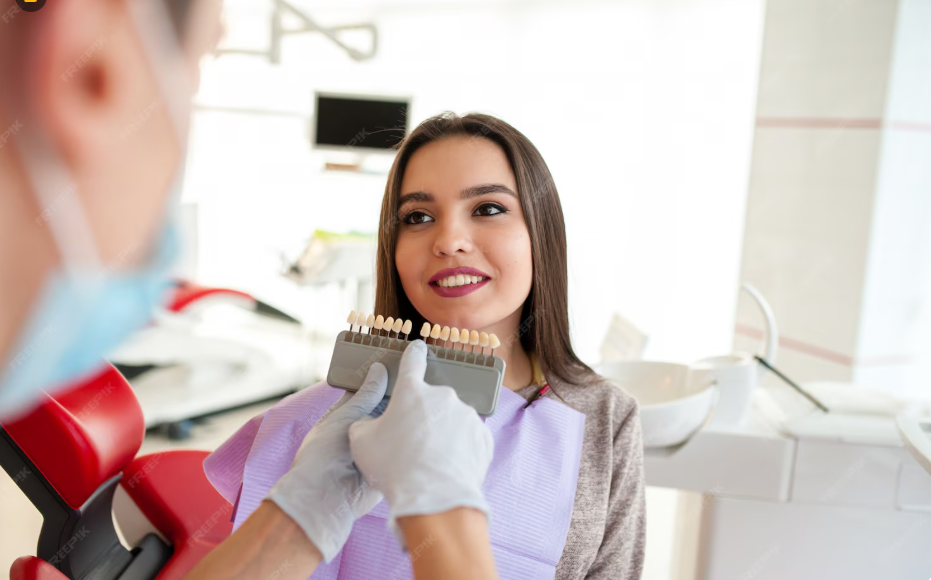
The technique uses a carefully selected resin that matches the natural shade of your teeth. The dentist applies this material directly to the surface and sculpts it to correct imperfections. Each tooth is shaped individually to ensure proportion and symmetry.
After shaping, a curing light hardens the resin. The surface is then refined and polished to create a smooth, glossy finish. The final result blends seamlessly with surrounding teeth, making the enhancement almost invisible.
Most treatments are completed within a single visit. This makes bonding an efficient solution for individuals who prefer quick improvements without multiple appointments.
Ideal Situations for Composite Bonding
Composite bonding is particularly effective for addressing minor cosmetic concerns. It is commonly used to improve:
- Small chips or cracks
- Slight spacing between teeth
- Irregular edges
- Worn enamel
- Teeth that appear shorter than desired
- Mild discoloration that does not respond fully to whitening
These corrections may seem minor, but together they can dramatically enhance overall appearance. By refining small details, bonding creates a smoother and more harmonious smile.
Advantages Beyond Aesthetics
While bonding is often chosen for cosmetic reasons, it also offers functional benefits. Repairing minor damage can protect vulnerable areas from further wear. Smoothing uneven edges can reduce irritation to surrounding soft tissues. In this way, the treatment supports both appearance and comfort.
Another benefit is adaptability. If the bonded area becomes worn or slightly stained over time, it can often be repaired or refreshed without replacing the entire restoration. This flexibility makes it a practical long-term option.
Additionally, bonding is typically more affordable than porcelain veneers or crowns. Patients seeking improvement without a major financial investment often find it an accessible choice.
Natural-Looking Enhancement
One of the most appealing features of composite bonding is its ability to mimic real enamel. Dentists carefully select a shade that matches existing teeth. Attention is also given to texture and contour so the enhancement reflects light naturally.
The artistry involved plays a significant role in the outcome. Subtle shaping ensures the treated tooth complements adjacent teeth rather than standing out. When completed skillfully, the improvement looks authentic rather than artificial.
Because the material bonds directly to the tooth surface, it integrates smoothly with your natural smile. Most people will notice that your teeth look more refined but will not easily identify the specific treatment.
Maintenance and Longevity
Caring for bonded teeth does not require complicated routines. Brushing twice daily, flossing regularly, and attending routine dental examinations help maintain results. Avoiding habits such as biting hard objects or using teeth as tools can extend the lifespan of the resin.
Although composite material is durable, it is not as strong as natural enamel or porcelain. Over time, minor touch-ups may be recommended. Fortunately, these adjustments are usually simple and quick.
With proper care, bonding can remain attractive for several years. Many patients appreciate the balance between longevity and the ability to modify or refresh the treatment when needed.
A Practical Step Toward Greater Confidence
Even small adjustments can transform how you feel about your appearance. Correcting chips, smoothing uneven surfaces, and closing tiny gaps can create a more polished overall look. Composite bonding achieves these improvements while respecting the integrity of your natural teeth.
For individuals seeking a gentle cosmetic upgrade, this minimally invasive solution offers efficiency, comfort, and natural-looking results. By focusing on preservation rather than replacement, composite bonding provides a thoughtful way to enhance your smile without unnecessary complexity.